



- Refer a Patient
- Referral Types
- Patient Information
- Overview of CFEH Clinics
- CFEH Instrument List
- Our clinical team
- Causes of Vision Loss
- Patient Forms


Causes of Vision Loss
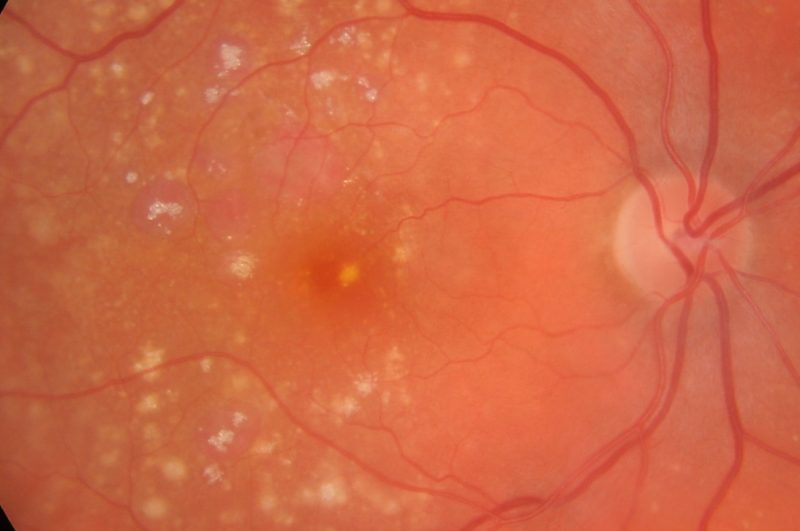
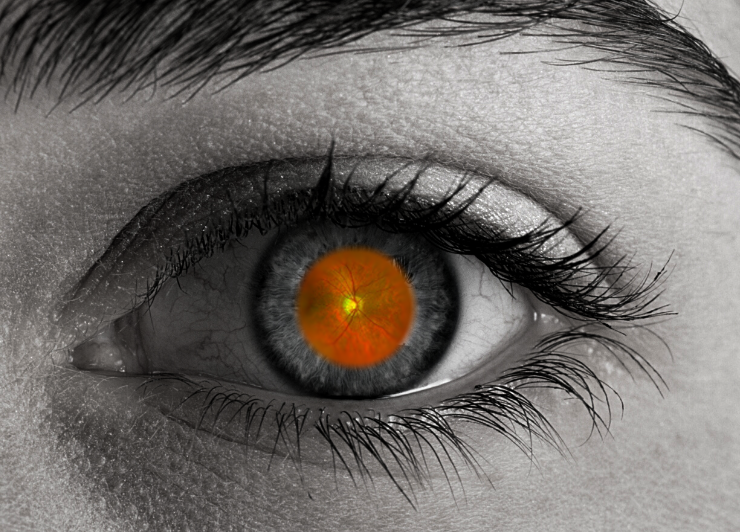
AMD is a degenerative condition that affects the macula – the area of the retina where the image of what you are directly looking at is formed. This is the area responsible for fine detailed vision, required for activities such as driving, reading and distinguishing colour. AMD can cause partial vision loss or complete loss of central vision while peripheral vision generally remains intact.
Early diagnosis and timely intervention are vital to preserving vision in AMD and at CFEH we have the imaging technology and expertise to detect the most subtle of changes prognostic of significant vision loss.
For further information, contact the Macular Disease Foundation.
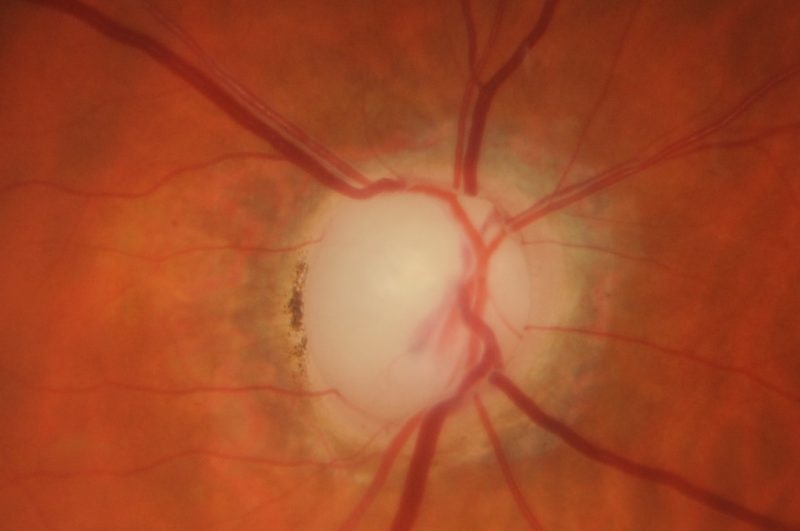
Glaucoma is an eye condition involving progressive damage to the optic nerve – the nerve that takes all visual information from the eye back to the brain for processing. This condition is relatively common in the general population, and incidence increases with age. One in 15 people over the age of 70 will be affected by glaucoma.
If left untreated, glaucoma causes loss of the peripheral vision, resulting in tunnel vision and even total blindness. Early glaucoma has no signs or symptoms so regular eye examinations are vital for the detection of this disease.
Once vision has been lost, it cannot be restored. Prevention of vision loss is therefore an important factor in reducing the impact of glaucoma. The mainstay of treatment is daily use of eye drops to reduce intraocular pressure and slow or halt death of neural tissue in the optic nerve.
For further information on glaucoma, please refer to the Glaucoma Australia website.
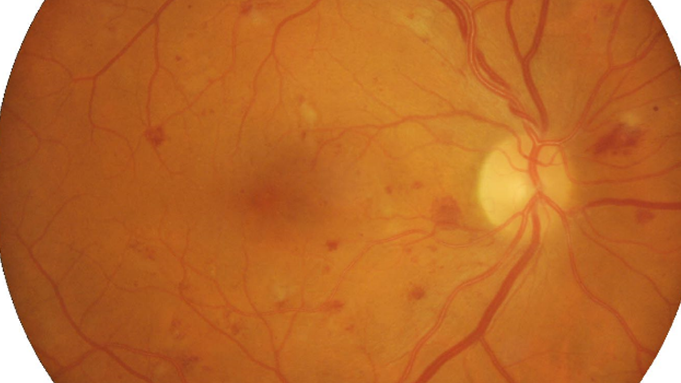
Diabetes causes damage to the blood vessels throughout the body, and this damage can be visualised in the vessels of the eye. This damage is referred to as Diabetic Retinopathy (DR) and typically begins as small microaneurysms (ballooning of small blood vessels) in the retina.
DR is best minimised by maintaining good control of blood sugar levels and through early detection of disease progression. Early detection allows for intervention in the disease process to halt or delay progression and maintain vision.
People with diabetes also have an increased risk of acquiring other ocular conditions, such as glaucoma or cataracts. Regular eye examinations are essential to detect such conditions.
Further information can be found on the Diabetes Australia website.
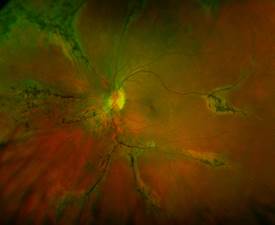
Inherited retinal dystrophies are chronic and disabling disorders of visual function. The retina consists of millions of light-sensitive photoreceptor cells, which transmit light to the brain via the optic nerve. Retinal dystrophies interrupt the retinal metabolic processes or cause photoreceptor death, usually resulting in significant functional vision loss.
Present treatment is aimed at minimising disease progression, thereby prolonging visual function. Many people with retinal dystrophies may require low vision services such as those provided by Guide Dogs Australia.